

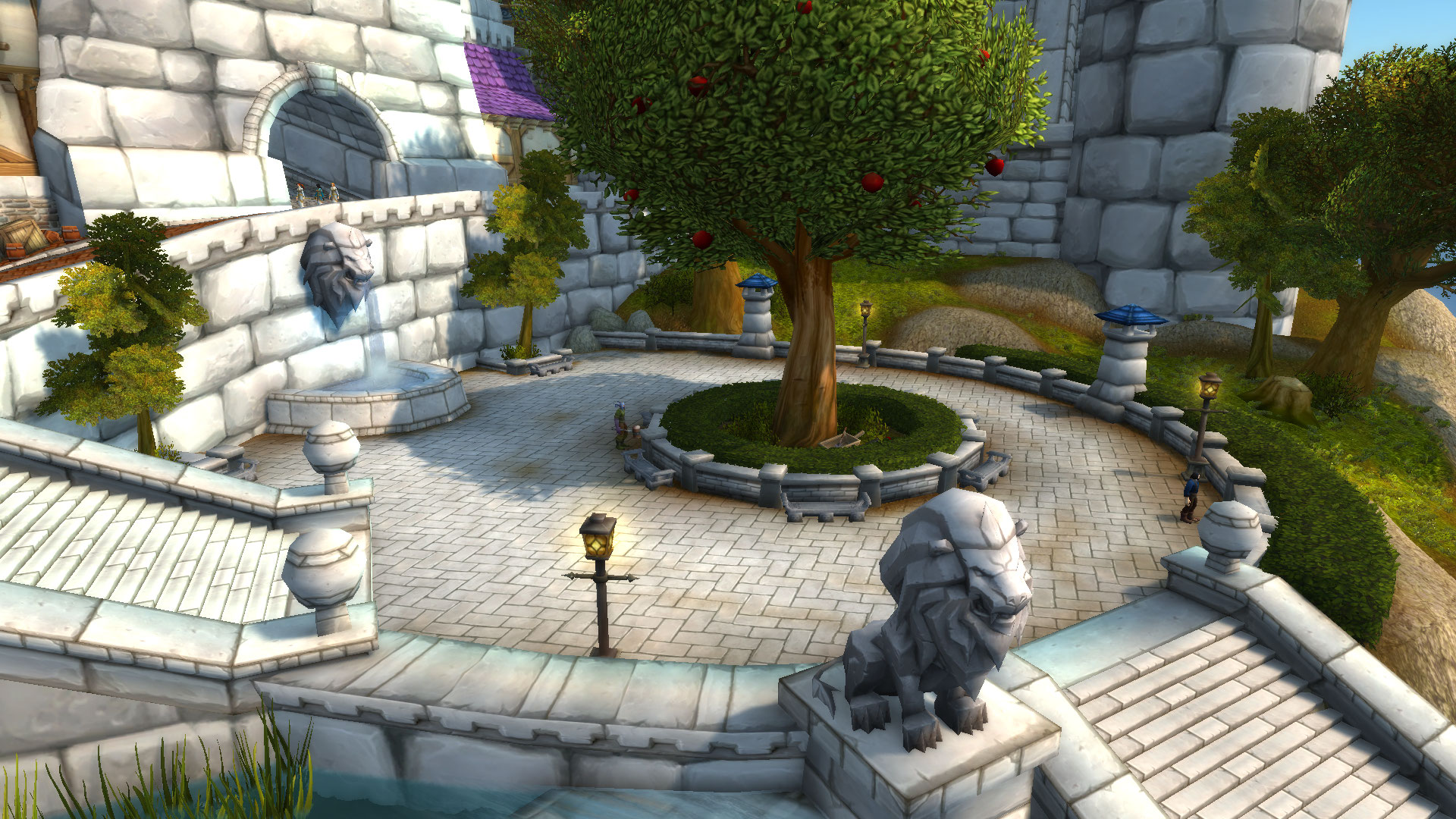
The Corrupted Blood outbreak in World of Warcraft is a fascinating case study in virtual epidemiology, showcasing how a game mechanic can lead to unintended consequences. This incident occurred in 2005 during the Zul’Gurub raid, where Hakkar’s debuff spread beyond its intended boundaries, affecting players and NPCs alike. Understanding this glitch not only highlights the complexities of game design but also serves as a valuable lesson in community behavior and disease spread. This guide delves into the mechanics of the outbreak, its implications, and the lessons learned from this unique event.
What caused the Corrupted Blood outbreak in World of Warcraft?
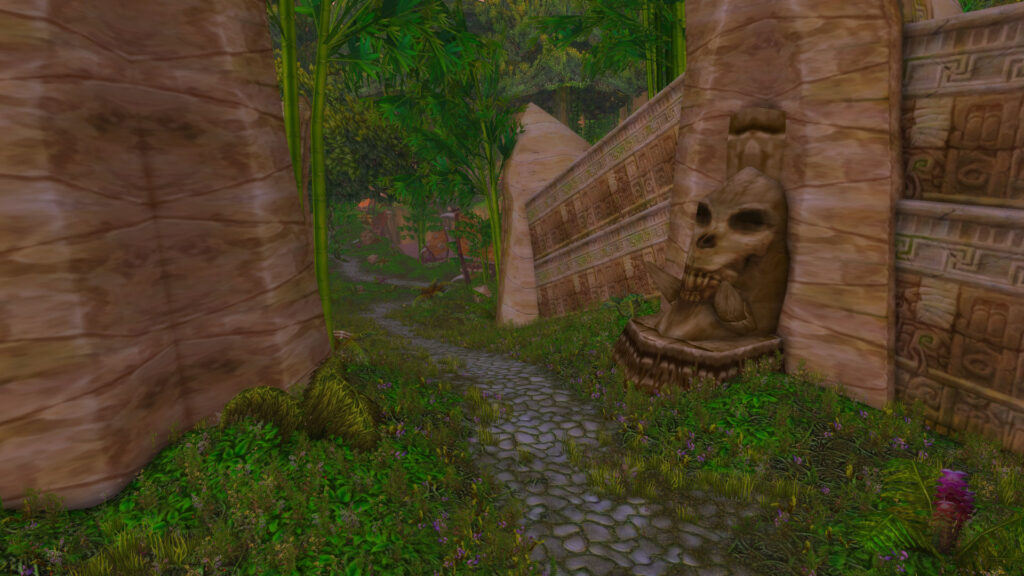
The Corrupted Blood outbreak was caused by a debuff from the boss Hakkar that unintentionally spread through hunter pets to uninfected players in cities.
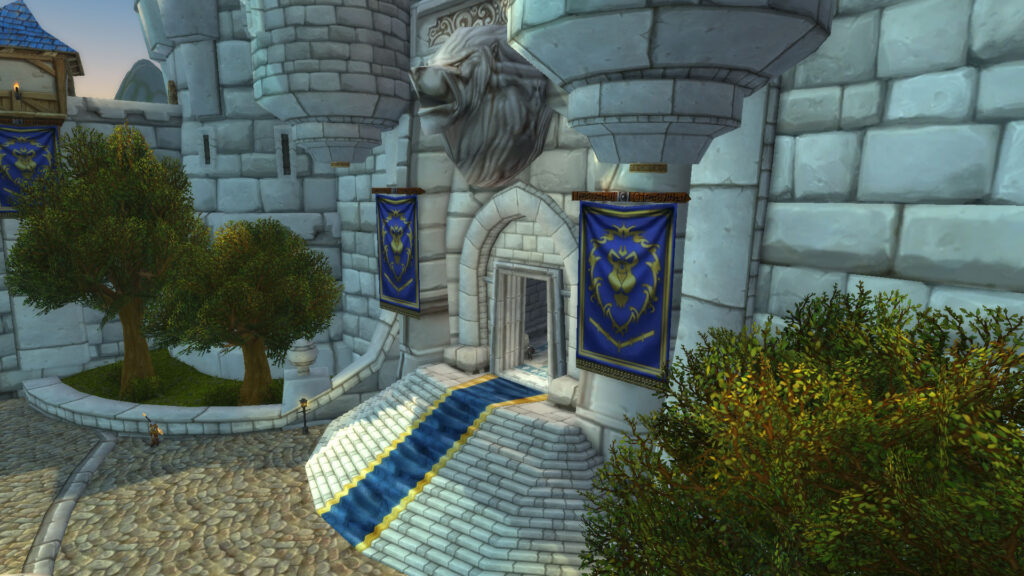
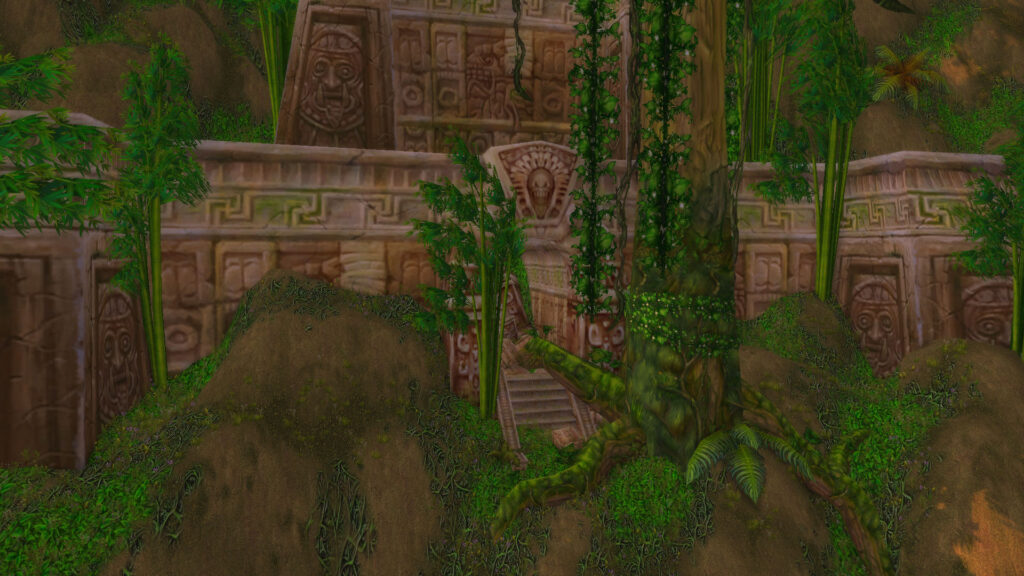
The outbreak originated from a raid encounter with Hakkar, the Soulflayer, in Zul’Gurub, where players were afflicted with a debuff called Corrupted Blood. This debuff inflicted damage over time and was intended to be contained within the raid environment. However, players using hunter pets could transfer the debuff to their pets, which could then leave the raid instance and enter populated areas. This unexpected interaction led to a rapid spread of the debuff, affecting both players and NPCs in major cities such as Orgrimmar and Stormwind.
- Understand the mechanics of Hakkar’s debuff and its intended design.
- Recognize the role of hunter pets in transferring the debuff to uninfected players.
- Analyze player behavior during the outbreak and its impact on the game environment.
- Explore the responses from Blizzard and the community regarding the outbreak.
How did the mechanics of the Corrupted Blood debuff function?
The mechanics of the Corrupted Blood debuff involved damage over time effects and the ability to spread through pets, creating a unique epidemiological scenario.
The Corrupted Blood debuff inflicted a significant amount of damage over time, designed to challenge players during the Hakkar encounter. The debuff had a duration of 10 seconds and dealt approximately 250 damage per second, which could be lethal if not managed properly. The key mechanic that led to the outbreak was the ability of hunter pets to carry the debuff outside the raid instance. When a hunter’s pet was affected by Corrupted Blood, it could leave the instance and enter populated zones, where it would then spread the debuff to nearby players and NPCs who were not part of the raid.
Additionally, the debuff could be transmitted through proximity, meaning that players who came into close contact with infected pets would also become afflicted. This mechanic allowed for a rapid and uncontrolled spread of the debuff, reminiscent of real-world disease transmission. The game’s design did not account for such a scenario, leading to widespread panic and chaos as players attempted to avoid infection, further complicating the situation.
What were the initial responses to the Corrupted Blood outbreak?
The initial responses to the Corrupted Blood outbreak included player panic, attempts to quarantine infected areas, and Blizzard’s intervention to mitigate the spread.
As the debuff spread rapidly through major cities, players began to panic, leading to a chaotic environment where many fled from infected areas. Some players attempted to quarantine themselves or others, creating makeshift safe zones away from the debuff’s reach. This reaction mirrored real-world responses to disease outbreaks, showcasing how players instinctively sought to avoid infection. Blizzard’s developers monitored the situation closely, recognizing the unintended consequences of the debuff’s mechanics.
In response, Blizzard implemented hotfixes to address the outbreak, including temporarily disabling the ability for hunter pets to carry the debuff outside of the raid. This intervention aimed to restore order and prevent further spread, but it also sparked discussions within the community about game design and the implications of such mechanics. The incident became a case study for both players and developers, highlighting the need for careful consideration of game mechanics that could lead to unintended consequences.
What data can we analyze from the Corrupted Blood outbreak?
The data from the Corrupted Blood outbreak reveals the extent of the spread and the impact on player behavior and game mechanics.
This table summarizes key metrics from the outbreak, including the number of infected players, the duration of the outbreak, and the locations most affected. Analyzing this data helps to understand the scale of the incident and its implications for game design.
| Metric | Value | Location | Duration |
|---|---|---|---|
| Infected Players | Over 10,000 | Orgrimmar | 1 week |
| Infected NPCs | Hundreds | Stormwind | 3 days |
| Debuff Damage | 250 DPS | Multiple zones | 10 seconds |
How did the Corrupted Blood outbreak affect gameplay and community dynamics?
The Corrupted Blood outbreak significantly affected gameplay and community dynamics, leading to changes in player interactions and strategies.
The outbreak created a unique environment where players had to adapt their strategies to avoid infection. Many players formed groups to monitor infected areas and share information about outbreaks, fostering a sense of community and collaboration. This incident also led to a rise in player-driven narratives, as stories of heroism and tragedy emerged from the chaos. The outbreak highlighted the social dynamics of the game, as players banded together to combat a common threat.
Furthermore, the incident prompted discussions about the implications of virtual disease mechanics in gaming. Players began to reflect on the ethical considerations of such mechanics and their potential impact on player behavior. The Corrupted Blood outbreak became a reference point for discussions about game design, community engagement, and the responsibilities of developers in creating immersive experiences that can mirror real-world scenarios.
What lessons can be learned from the Corrupted Blood outbreak?
The Corrupted Blood outbreak teaches valuable lessons about game design, community behavior, and the unintended consequences of mechanics.
One of the primary lessons from the outbreak is the importance of considering the potential for unintended interactions between game mechanics. Developers must anticipate how players will interact with systems and the possible consequences of those interactions. This incident also underscores the need for robust testing of game mechanics to identify potential issues before they affect the player base. Furthermore, the outbreak illustrates the power of community dynamics in shaping player experiences and responses to in-game events.
Additionally, the Corrupted Blood incident serves as a case study for real-world epidemiology, demonstrating how virtual environments can simulate complex social behaviors and disease spread. The lessons learned from this outbreak can inform future game design, particularly in creating immersive experiences that engage players while maintaining balance and fairness. Ultimately, the Corrupted Blood outbreak remains a significant event in gaming history, providing insights into the intersection of gameplay, community, and design.
Frequently Asked Questions
What was the Corrupted Blood debuff?
The Corrupted Blood debuff was a damage-over-time effect inflicted by the boss Hakkar in Zul’Gurub. It was designed to challenge players during the raid but unintentionally spread to uninfected players through hunter pets.
How did players react to the outbreak?
Players reacted with panic, attempting to avoid infection and quarantine themselves. Many fled from infected areas, and some organized groups to monitor the spread of the debuff.
What actions did Blizzard take during the outbreak?
Blizzard monitored the outbreak closely and implemented hotfixes to prevent hunter pets from carrying the debuff outside the raid. This intervention aimed to restore order and mitigate the spread of the debuff.
What impact did the outbreak have on game design?
The outbreak highlighted the need for careful consideration of game mechanics and their potential consequences. It sparked discussions about community behavior and the responsibilities of developers in creating immersive experiences.
